




Unauthorised building works: what triggers action, and what "tolerated" means
Most owners meet unauthorised building works at the worst moment — during a sale, a survey or an MBIS inspection. Understanding the categories, and what enforcement priority actually means, changes what you do next.
Unauthorised building works — UBW — are works carried out without the approval and consent required under the Buildings Ordinance. In Hong Kong they are common, and they are almost never discovered at a convenient moment.
Where they usually surface
Three places, in our experience. During a sale, when a buyer's surveyor compares what is standing against the approved plans. During an MBIS inspection, when a Registered Inspector has to record what is there. And after a complaint, when the Buildings Department inspects and finds more than the complaint described.
The common thread is that UBW is found by comparison with the record, which is why the approved plans matter far more than most owners expect.
What "tolerated" does not mean
Some existing works are not the Buildings Department's immediate enforcement priority. That is a statement about sequencing, not about legality. Works in that position remain unauthorised: they can still be the subject of a removal order later, still have to be disclosed on a sale, and still cause a bank or an insurer to take a view.
The practical consequence is that "it has been there for years and nobody has said anything" is not a defence, and it is not a plan. It is a description of the current queue.
What triggers a removal order
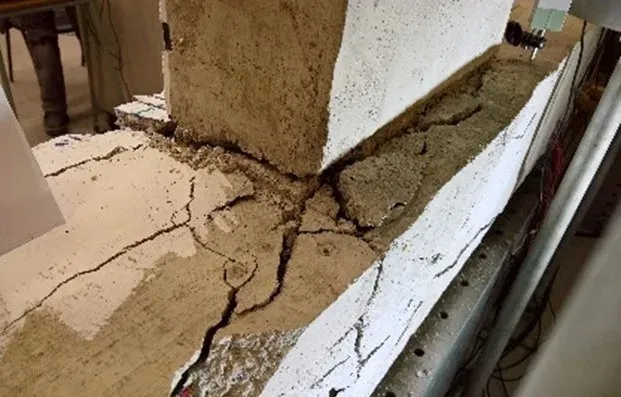
Broadly, works that pose an obvious hazard or a serious threat to safety are dealt with first — structures projecting over a street, unsupported additions, alterations affecting structural elements, and anything obstructing a means of escape. Age and scale matter less than risk.
An order names the works and requires their removal within a stated period. It is served on the owner, which for common parts means the Owners' Corporation, not the person who built the structure.
Doing the survey before the question is asked
The useful time to establish what a building actually carries is before somebody else does it for you. A condition survey compared against approved plans gives an owner the list, and time to decide what to remove, what to regularise and what to disclose — rather than answering an order on a deadline.
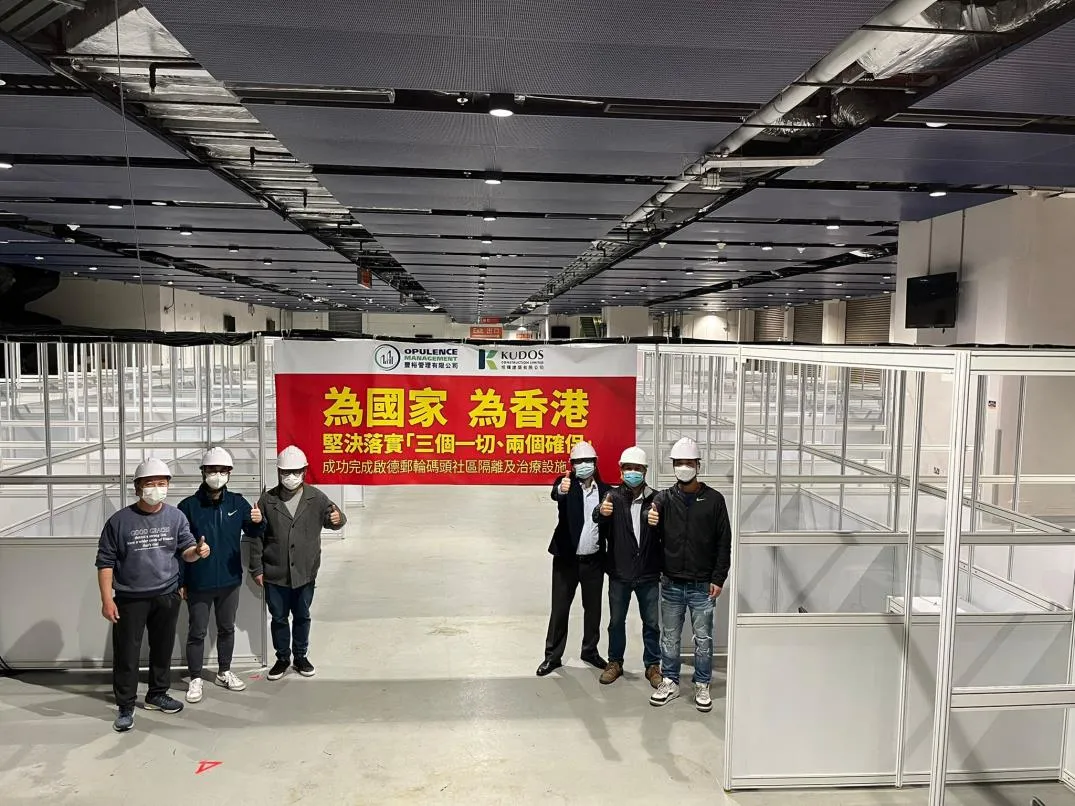
Opulence Management carries out condition surveys and advises owners on UBW exposure as part of building surveying. Where elevations are difficult to reach, the survey uses drone capture, which is often how projecting structures and rear-elevation additions are found at all.